
How AI is Revolutionizing Photography from Blurry to Clear with One Click
Artificial intelligence (AI) has been quietly but profoundly changing the way we capture and interact with images, particularly in the realm of photography. One of the most impressive applications of AI in photography is its ability to transform blurry photos into sharp, clear masterpieces with a single click. This article explores how AI is achieving this feat and the implications for both professional and amateur photographers.
The Challenge of Blurry Photos
Blurry photos have been a common frustration for photographers since the inception of the camera. Whether it’s due to camera shake, focusing issues, or fast-moving subjects, blurry photos can ruin otherwise perfect moments. Traditional methods of correcting blurry photos, such as sharpening tools in photo editing software, have been limited in their effectiveness and often introduce artifacts or distortions.
AI to the Rescue: Deblurring Algorithms
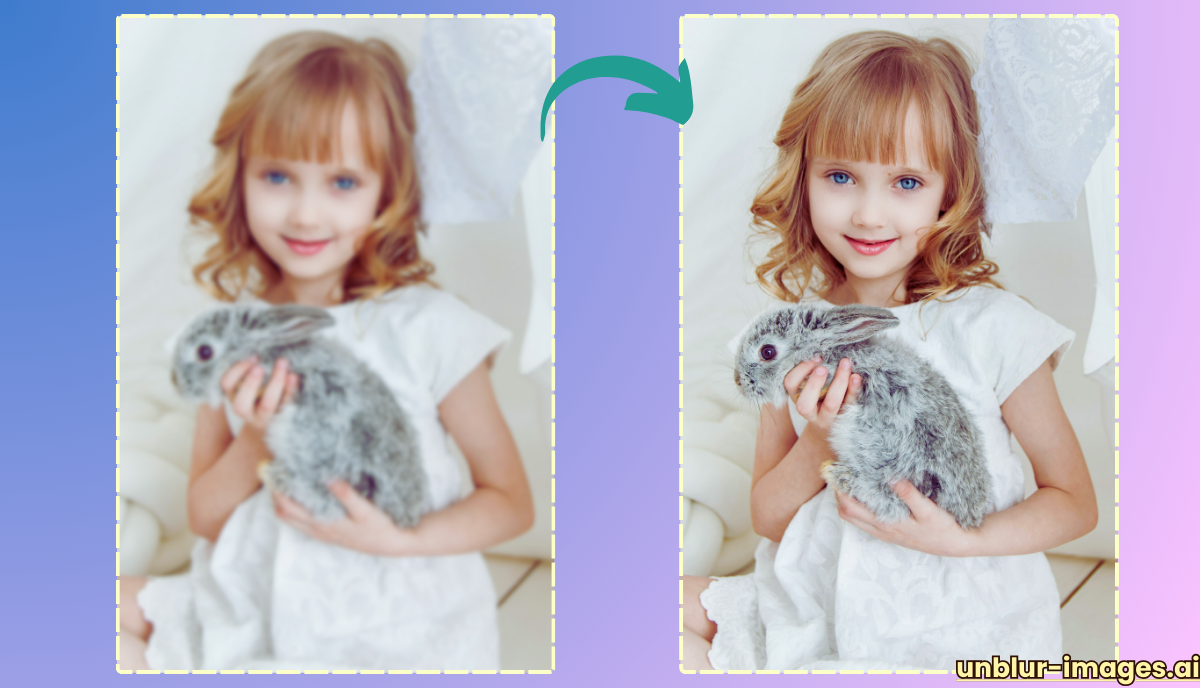
The advent of AI-powered deblurring algorithms has revolutionized the way we approach blurry photos. These algorithms are based on deep learning techniques, a subset of AI that involves training neural networks on massive datasets of images. By analyzing millions of blurry and sharp image pairs, these networks learn to recognize patterns and features associated with blurriness and develop the ability to reverse the process, effectively sharpening the image.
How AI Deblurring Works
- Image Analysis: The AI algorithm starts by analyzing the blurry photo, identifying areas of blurriness and the type of blur involved (e.g., motion blur, out-of-focus blur).
- Restoration: The algorithm then applies a complex set of mathematical operations to the image data, aiming to reconstruct the missing information that caused the blur. This often involves predicting the likely position of pixels that have been smeared or distorted.
- Sharpening: Once the restoration process is complete, the algorithm applies sharpening techniques to enhance the edges and details of the image, resulting in a clearer, more visually appealing photo.
The Benefits of AI Deblurring
- Convenience: AI deblurring tools often come in the form of user-friendly software or apps, making it easy for anyone to enhance their blurry photos with just a few clicks.
- Effectiveness: AI algorithms can often achieve remarkable results, even with severely blurry photos that would be impossible to fix with traditional methods.
- Time-saving: Manual deblurring techniques can be time-consuming and require specialized knowledge. AI deblurring automates the process, saving photographers valuable time.
- Accessibility: AI deblurring technology has made photo enhancement tools more accessible to amateur photographers who may not have the expertise or resources for professional photo editing.
Applications of AI Deblurring
- Smartphone Photography: Many Smartphone camera apps now incorporate AI deblurring algorithms, allowing users to capture sharper photos even in challenging conditions.
- Wildlife Photography: Wildlife photographers often deal with fast-moving subjects and low-light conditions, making AI deblurring an invaluable tool for capturing clear images of elusive creatures.
- Sports Photography: Action shots in sports photography are prone to motion blur. AI deblurring helps photographers freeze the action and capture sharp images of athletes in motion.
- Restoration of Old Photos: AI deblurring can be used to restore old or damaged photographs, bringing back clarity and detail to cherished memories.
Limitations and Ethical Considerations
While AI deblurring is a powerful tool, it’s not without limitations. The quality of the results can vary depending on the severity of the blur and the type of image. In some cases, the algorithm may introduce artifacts or alter the original image in undesirable ways.
Ethical considerations also arise when AI deblurring is used to manipulate images, particularly in journalism or legal contexts. It’s important to use this technology responsibly and transparently, ensuring that the authenticity and integrity of photographs are maintained.
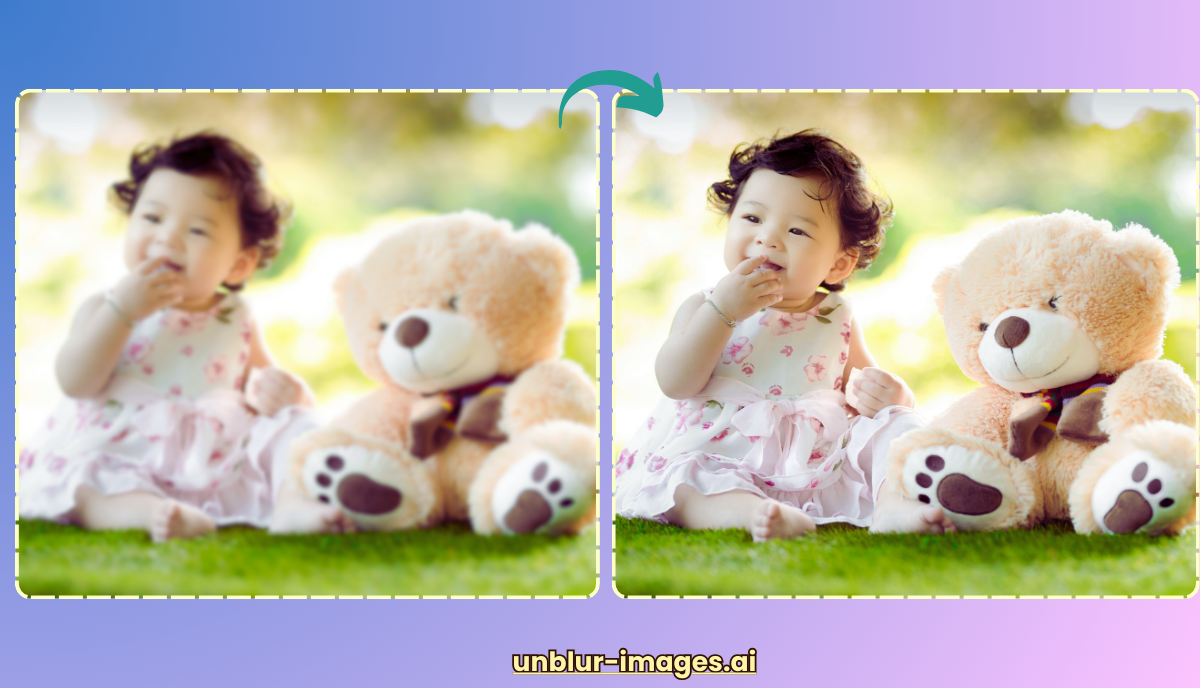
Deblurring: Turning Blurry Images into Clear Masterpieces
The process of deblurring involves several steps, each leveraging the power of AI. Here’s how it works:
- Blur Detection: The AI first detects the type and extent of blur in the image. This involves analyzing the image to identify whether the blur is due to motion, camera shake, or out-of-focus conditions.
- Pattern Recognition: The AI then recognizes patterns in the image. By understanding the context and content of the image, the AI can predict what the clear version should look like.
- Image Reconstruction: Using advanced algorithms, the AI reconstructs the image, filling in the missing details that were lost due to the blur. This step often involves generating new pixels that blend seamlessly with the existing ones, resulting in a sharp and clear image.
One of the key technologies enabling this transformation is Generative Adversarial Networks (GANs). GANs consist of two neural networks – a generator and a discriminator – that work together to create realistic images. The generator creates images, while the discriminator evaluates them for authenticity. Through this adversarial process, the generator improves its ability to produce high-quality, deblurred images.
Applications in Photography
AI’s deblurring technology has a wide range of applications in photography, making it a game-changer in various fields:
- Consumer Photography: For everyday smartphone users, AI-powered deblurring means that even the most spontaneous, poorly timed shots can be transformed into clear and memorable photos. This technology is often built into smartphone cameras and photo editing apps, allowing users to enhance their images effortlessly.
- Professional Photography: Professional photographers can benefit from AI deblurring by salvaging otherwise unusable shots. This can be particularly valuable in fast-paced environments like sports or wildlife photography, where capturing a perfectly focused image is challenging.
- Security and Surveillance: In the realm of security and surveillance, clear images are crucial for identifying individuals and objects. AI deblurring can enhance the quality of footage from security cameras, aiding in investigations and improving safety measures.
- Medical Imaging: In medical fields, such as radiology, AI deblurring can enhance the clarity of diagnostic images, leading to more accurate diagnoses and better patient outcomes.
- Historical and Archival Restoration: AI can also be used to restore old, blurry photographs and films, preserving historical moments and cultural heritage for future generations.
The Future of AI in Photography
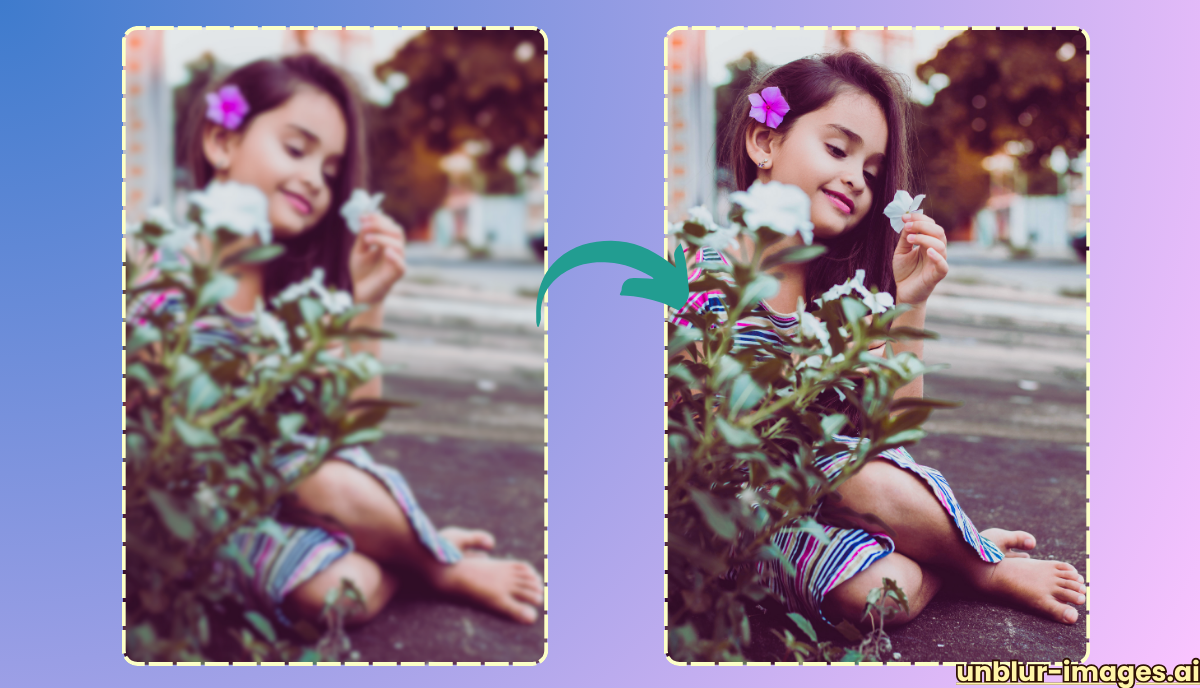
AI is poised to continue transforming the field of photography in the years to come. As AI algorithms become more sophisticated, we can expect even better deblurring results, as well as other innovative applications, such as:
- AI-powered image composition: Algorithms that suggest optimal framing and composition for photos.
- AI-driven lighting adjustments: Automatically correcting exposure and lighting issues.
- AI-generated images: Creating realistic images from scratch based on user prompts.
Conclusion
AI is revolutionizing photography by providing powerful tools to overcome the age-old problem of blurry photos. With AI deblurring algorithms, photographers can now rescue previously unusable images and enhance their creative output. As AI technology continues to advance, we can anticipate a future where photography is more accessible, creative, and visually stunning than ever before.
FAQs
- Is AI deblurring suitable for all types of photos?
AI deblurring can be highly effective for various types of blur, including motion blur, out-of-focus blur, and even some types of camera shake. However, the results can vary depending on the severity of the blur and the complexity of the image. It may not always be possible to completely restore sharpness to extremely blurry or low-resolution photos.
- Can AI deblurring be used on videos?
Yes, AI deblurring technology can be applied to videos as well. In fact, many video editing software now incorporate AI-powered tools to stabilize shaky footage and sharpen blurry frames. This is particularly useful for action videos or footage captured with handheld cameras.
- Does AI deblurring replace the need for good photography skills?
While AI deblurring is a valuable tool, it’s not a substitute for good photography skills. Proper focusing, camera stability, and understanding lighting conditions are still essential for capturing high-quality photos. AI deblurring is best used as a complement to good photography practices, allowing photographers to rescue and enhance photos that would otherwise be unusable due to unforeseen blurriness.
