
Common Mistakes to Avoid When Using AI to Remove Blur from
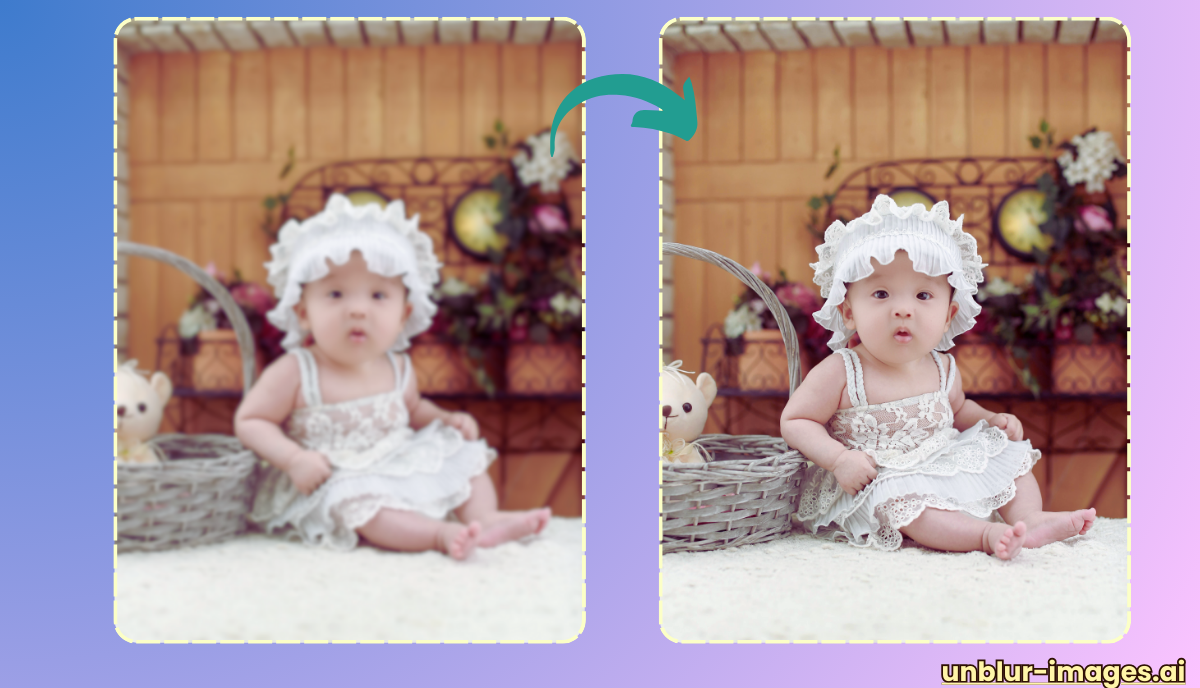
The allure of AI-powered image deblurring is undeniable. With a few clicks, blurred photos can transform into sharp, captivating images. However, while the technology is impressive, there are common mistakes that can lead to disappointing results. Let’s delve into these pitfalls and learn how to navigate them for picture-perfect outcomes.
-
Overestimating AI’s Capabilities
AI is undoubtedly powerful, but it’s not magic. If the blur in your image is extreme, caused by significant camera shake or motion, even the best AI algorithms may struggle to fully restore sharpness. Don’t expect miracles for severely blurry images.
Solution:
- Moderate Expectations: Understand that AI deblurring works best on minor to moderate blur.
- Source Material: Start with the highest quality image available.
-
Neglecting the Right Tool for the Job
Not all AI deblurring tools are created equal. Some excel at specific types of blur (motion blur, out-of-focus blur), while others might offer a more general approach. Choosing the wrong tool can exacerbate the problem instead of fixing it.
Solution:
- Research: Investigate different tools and their strengths.
- Experiment: Try out various options to find the best fit for your specific image.
-
Ignoring the Image’s Context
AI deblurring tools work by analyzing patterns and trying to predict what the sharp image should look like. If the image lacks clear edges, textures, or other defining details, the AI might make inaccurate guesses, leading to distorted or unnatural results.
Solution:
- Subject Matter: Choose images with well-defined subjects and textures.
- Lighting: Images with good lighting tend to deblur more effectively.
-
Over-Sharpening
In the quest for razor-sharp images, it’s easy to go overboard. Excessive sharpening can introduce artifacts, halos, or noise, making the image look artificial and unpleasant.
Solution:
- Subtlety: Use sharpening tools sparingly.
- Fine-Tuning: Adjust sharpening settings (like radius and intensity) carefully.
-
Not Considering the Image’s Original Purpose
While it’s tempting to deblur every blurry image, consider the context. Is the image meant for casual sharing, a professional presentation, or printing? Each scenario might call for a different level of deblurring and overall quality.
Solution:
- Purpose-Driven Approach: Tailor your deblurring efforts to the image’s intended use.
- Experiment: Save multiple versions with varying levels of deblurring.
-
Disregarding Other Editing Tools
AI deblurring can be a fantastic starting point, but it’s rarely a one-stop solution. Combining it with other editing tools (like noise reduction, color correction, or contrast adjustment) can significantly improve the final result.
Solution:
- Holistic Editing: Think of deblurring as one step in a larger editing process.
- Explore: Familiarize yourself with a range of editing tools to enhance your images further.
-
Neglecting the “Human Touch”
While AI is powerful, the human eye is still the ultimate judge of image quality. Don’t rely solely on AI – review the results critically and make manual adjustments if needed.
Solution:
- Critical Eye: Examine the deblurred image for any unnatural artifacts or inconsistencies.
- Manual Refinement: Use editing tools to correct any remaining imperfections.
Additional Tips for Success
- File Format: Work with lossless image formats (like TIFF or RAW) whenever possible to preserve image quality.
- Batch Processing: If you have multiple images to deblur, look for tools with batch processing capabilities.
- AI Advancements: Stay updated on the latest AI deblurring tools, as the technology is constantly improving.
The Future is Sharp
AI image deblurring is a rapidly evolving field. As the technology advances, we can expect even more impressive results and greater accessibility. By understanding the common mistakes and learning how to mitigate them, you’ll be well-equipped to harness the power of AI to transform your blurry images into stunning works of art.
Embracing the Blur: When to Leave it Alone
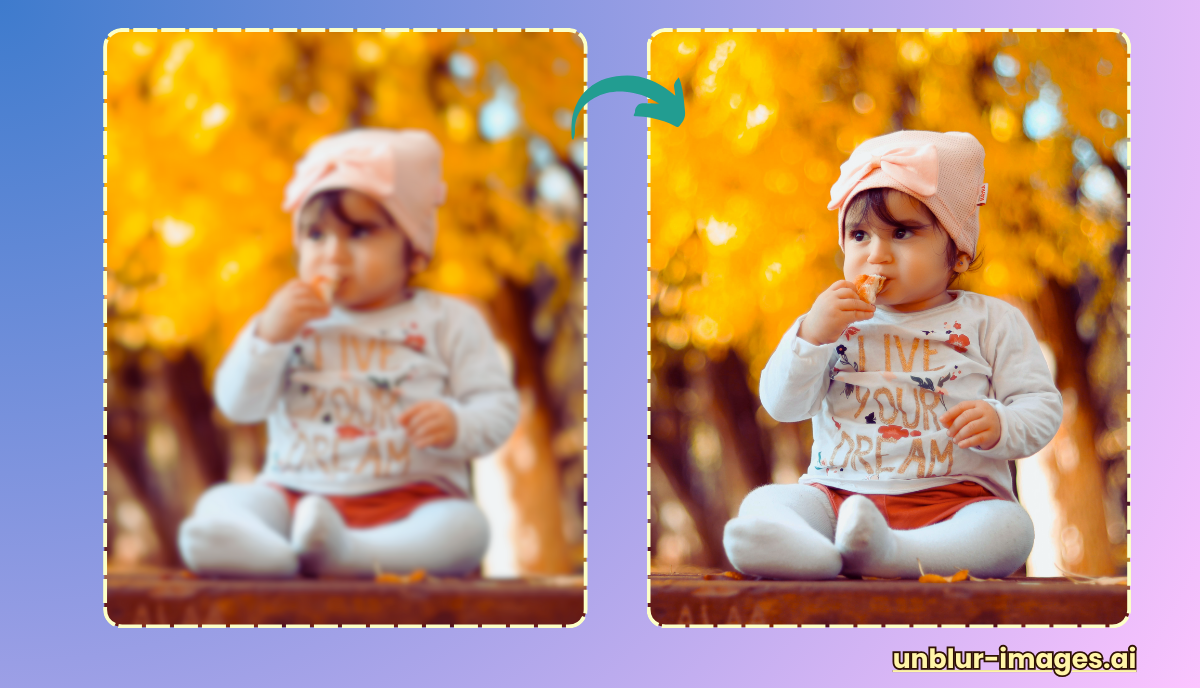
While the pursuit of sharpness is alluring, there are times when embracing the blur can be artistically advantageous. In certain genres of photography, like portraiture or fine art, a touch of blur can add a sense of depth, movement, or even a dreamlike quality to an image. Don’t be afraid to experiment and explore the aesthetic possibilities of blur.
The Democratization of Image Enhancement
One of the most exciting aspects of AI-powered image deblurring is its accessibility. In the past, such techniques were often reserved for professionals with specialized software. Today, user-friendly apps and online tools put the power of AI in the hands of everyday users. This democratization of image enhancement has opened up creative possibilities for photographers, hobbyists, and anyone who wants to breathe new life into their blurry photos.
Beyond Deblurring: AI’s Expanding Role in Photography
AI’s impact on photography extends far beyond deblurring. From automated photo editing to intelligent image sorting and tagging, AI is revolutionizing how we capture, edit, and organize our visual memories. As the technology continues to evolve, we can expect even more innovative AI-powered tools to emerge, empowering photographers of all levels to express their creativity and share their unique perspectives with the world.
The Bottom Line
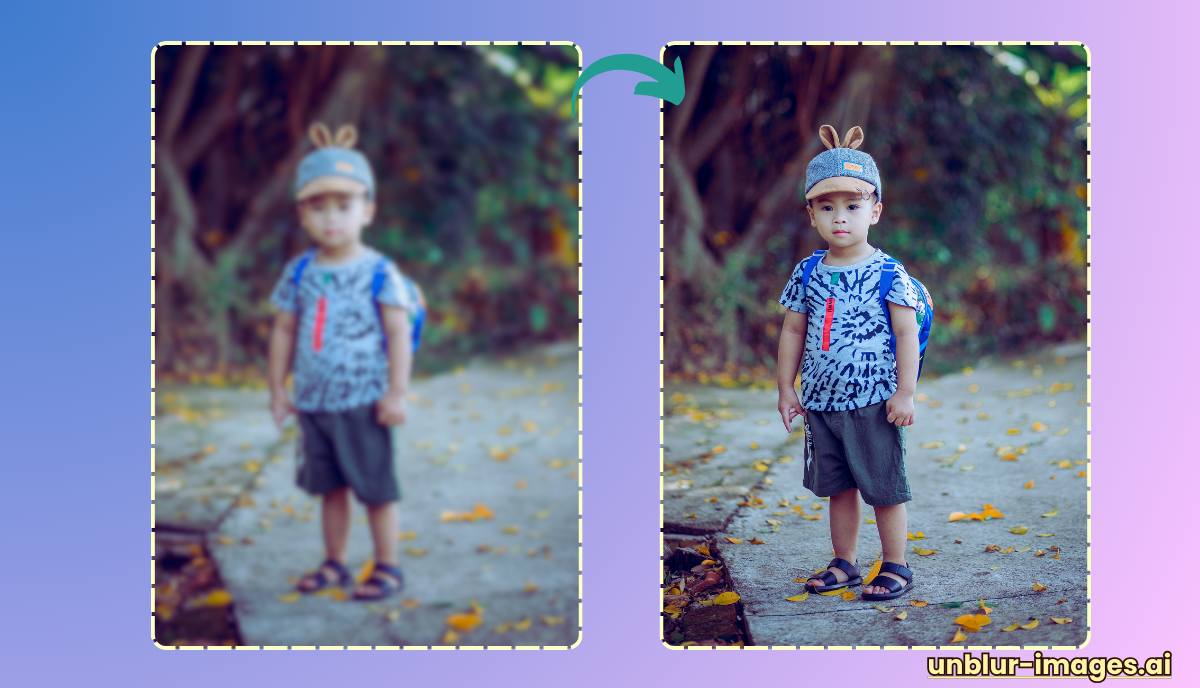
AI image deblurring is a game-changer, but like any tool, it requires skill and understanding to wield effectively. By avoiding common mistakes, embracing the blur when appropriate, and approaching AI with an ethical mindset, you can unlock the full potential of this technology and transform your blurry images into stunning visual masterpieces. So go forth, experiment, and let your creativity soar as you harness the power of AI to capture the world in all its sharp and vibrant glory.
Conclusion
In conclusion, AI-powered image deblurring is a revolutionary tool that has the potential to transform our blurry photos into captivating visuals. However, like any tool, it requires a nuanced understanding and approach to achieve optimal results. By avoiding common pitfalls such as overestimating AI’s capabilities, neglecting the right tools, and ignoring the image’s context, we can harness the power of AI to enhance our visual storytelling.
Moreover, it’s important to remember that not every blurry image needs to be deblurred. Sometimes, the blur itself can be an artistic element that adds depth and emotion to a photo. The key is to strike a balance between embracing the blur when
FAQs
Q 1: Can AI deblurring fix images that are completely out of focus?
While AI deblurring is impressive, it’s not always a miracle worker. If an image is completely out of focus, meaning the lens wasn’t focused on the subject at all, AI may struggle to restore sharpness. This is because the essential details are missing from the image data. AI works best on minor to moderate blur caused by factors like camera shake or slight motion.
Q 2: Are free AI deblurring tools as good as paid ones?
The answer depends on your specific needs and the image you’re working with. Some free tools offer excellent deblurring capabilities for basic tasks. However, paid tools often provide more advanced algorithms, finer control over settings, and additional features like batch processing or noise reduction. If you frequently need to deblur images or require professional-grade results, investing in a paid tool might be worthwhile.
Q 3: Will AI deblurring completely replace traditional image editing techniques?
AI deblurring is a powerful addition to the image editing toolkit, but it’s unlikely to replace traditional techniques entirely. AI excels at automating certain tasks and quickly fixing common issues, but it may not always achieve the desired artistic vision. Manual editing still allows for greater precision, creativity, and the ability to fine-tune specific details. Combining AI deblurring with traditional editing techniques can often yield the most satisfying results.
