
Decoding AI Unblur Technology
At the crossroads of innovation and photography lies the fascinating world of unblur images ai. Imagine taking a shot of an unforgettable sunset only to realize it’s a blurry mess. Heartbreaking, isn’t it? But fret not! Enter AI technology—our knight in shining silicon—armed with the power to rescue that shot from the blur monsters.
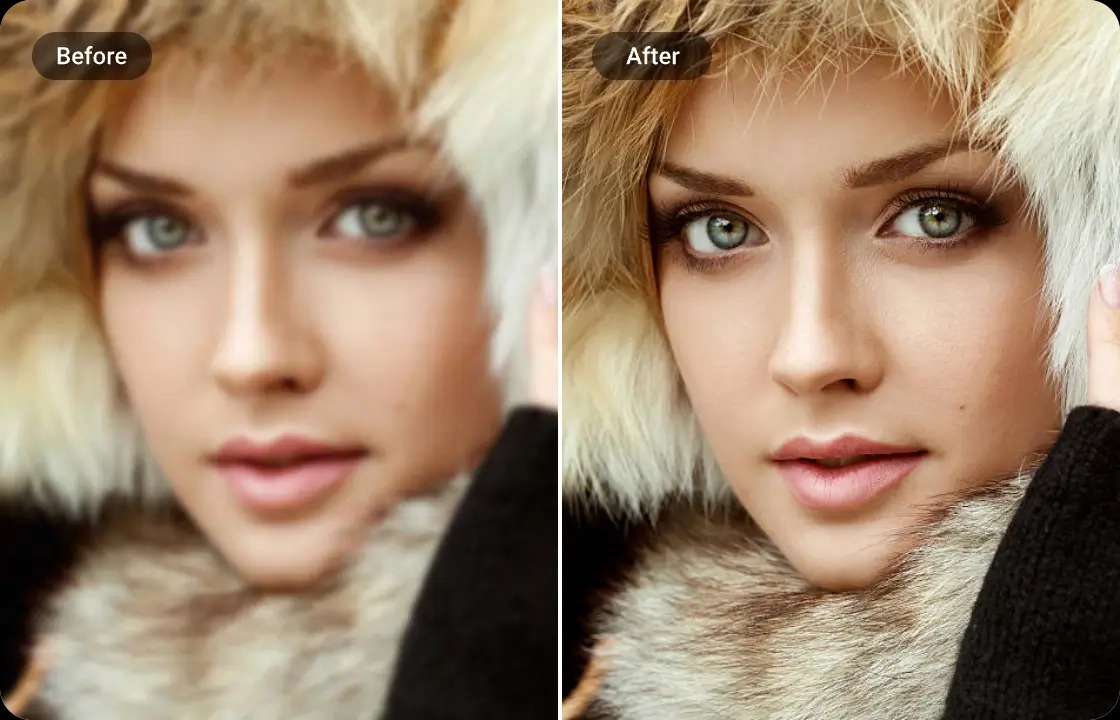
Ever wondered how these unblur tools work? Buckle up because we’re about to dive into the nitty-gritty, but I’ll keep it snappy and fun, promise.
Pixels, Pixels Everywhere
The first thing you should know, AI isn’t waving a magic wand to sharpen your images. Those algorithms are more like image detectives. When you upload a blurry image, the AI scans it pixel by pixel, piecing together what the clearer version might look like. It’s like solving a jigsaw puzzle but with many more pieces and no edge pieces to start with.
Machine Learning: The Backbone
Now, let’s get into the brainy stuff—Machine Learning (ML). Think of it like this: if AI were Batman, then machine learning would be its trusty utility belt. These tools have been trained on zillions of images, learning what a “normal” picture should look like. They don’t just see an image; they recognize patterns, edges, textures, and colors. It’s like having a seasoned art critic say, “Ah, yes, that smear should indeed be a cat’s whisker.”
From Data to Clarity
How does it leap from recognizing patterns to clearing up your photo? One word—algorithms. But not just any algorithms. These are sophisticated, bespoke (oops, fancy word quota met), and they employ neural networks to map pathways from blurry to sharp. Convolutional Neural Networks (CNNs) play a significant role here. Picture CNNs as those overzealous aunts who scrutinize every detail at a family reunion but, in this case, for pixels.
Deep Dive into Neural Networks
Speaking of neural networks, these systems are designed to mimic our brain’s functioning. Imagine layers upon layers of interconnected neuron-like nodes, each performing its task to analyze the image. The initial layers might focus on simple edges and lines, while deeper layers understand more complex structures like faces or objects. This multi-layered approach ensures that the final output isn’t just sharper but also retains the texture and quality of the original image.
The Role of GANs
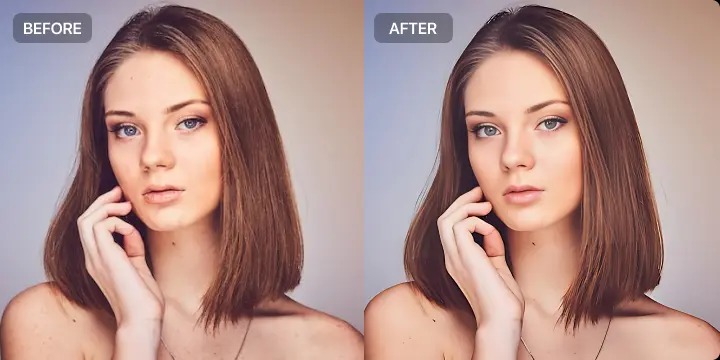
Then there are Generative Adversarial Networks (GANs). Think of GANs as a pair of frenemies—one generates images while the other critiques them. This love-hate relationship continues until they create an image that’s as clear as crystal. It’s an endless loop of, “Is this good enough?” and “No, try again!” but it pays off with spectacular results.
Challenges on the Way
However, the journey isn’t all roses. Even the most advanced AI can struggle with extreme blurriness or very low-resolution images. Imagine trying to paint a masterpiece with a worn-out brush. Tricky, right? But these tools are continually learning, improving, and becoming more adept at turning those impossible shots into clear memories.
The Best Way to Unblur Your Pics
Have you ever found that perfect shot only to realize it’s blurry? Frustrating, isn’t it? A game-changer in this regard is unblur images AI, tech that promises to rescue those imperfect treasures. Let’s see if all the hype about AI stands tall against traditional methods.
First, let’s chat about AI. It’s like having a mini wizard inside your computer. You throw it a blurry image, and poof, it clears it up as if it waved a magic wand. But what’s happening under the hood? AI uses neural networks trained on loads of data to predict what the sharp version of that photo would look like. It’s snazzy because it doesn’t just sharpen; it reconstructs details, seemingly bringing back lost bits from the abyss.
Think of traditional methods as the aged samurais of photo editing. They use techniques like Gaussian blur, sharpening masks, and edge detection. These methods are tried and true, but also a bit like using a Swiss army knife – versatile but not always specialized. They improve sharpness and contrast but often fail to retrieve those finely hidden details that you crave.
AI tools, on the other hand, are powerhouses. They concoct detailed images with crispness traditional methods only dream of. It’s like comparing a microwave meal to a homemade feast. Both feed you, but one leaves your taste buds singing. AI tools remove noise, adjust lighting, and understand context, things impossible for the mechanical approach of conventional methods. Traditional tactics often just amplify edges, making them unnaturally sharp.
Have you ever tried to explain tech stuff to your grandma? That’s how easy it feels using AI to unblur images. Most AI apps are click-and-go. A quick drag and drop, and you’re back in business. Traditional methods often require a bit of Photoshop wizardry. Layers, filters, adjustments – it can feel like you need a degree in photo manipulation.
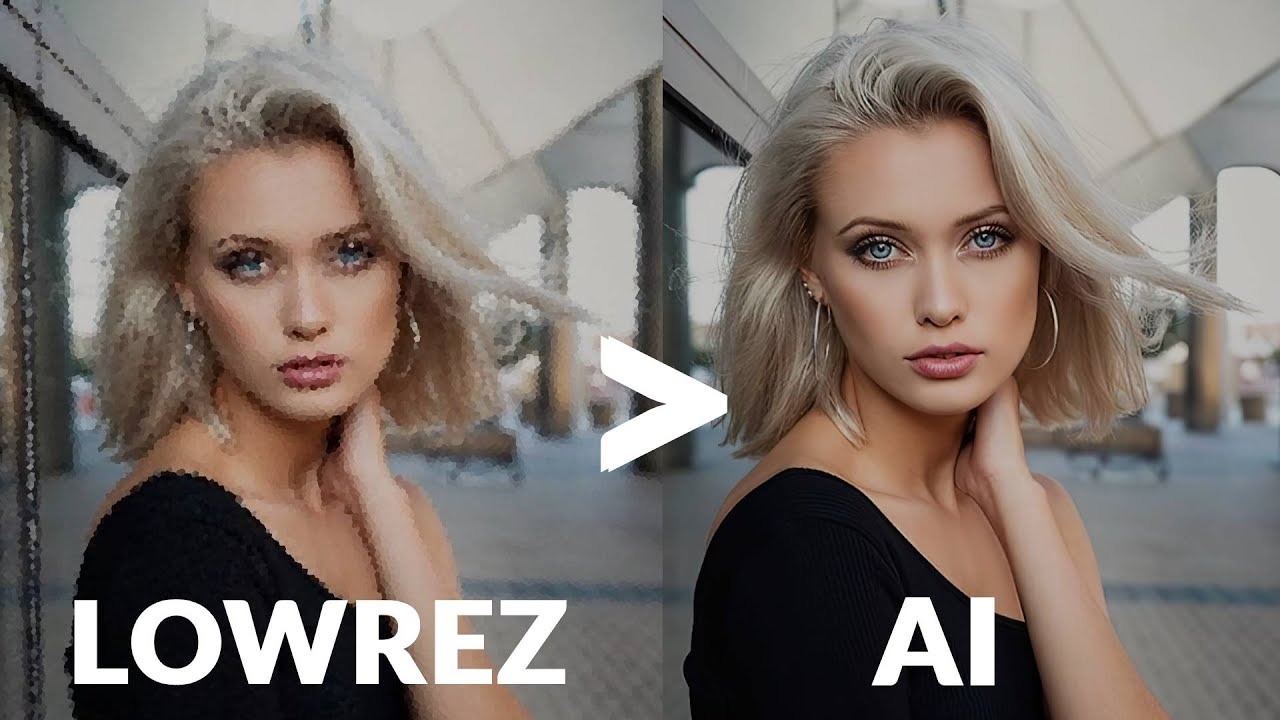
Anecdote time! A friend of mine couldn’t resist snapping a shot at a concert. Tragically, the image was a blur. Despair turned into joy when an AI tool saved the day. One click, ten seconds, and the artist’s face was clear, almost as if the blur never happened. Contrast that to my time in college. I tried unblurring an old photo manually for a project. Hours spent staring at pixels, only to end up with a photo that looked more like abstract art than the original.
We’ve spoken a lot about simplicity and convenience, but let’s discuss results. The AI approach can sometimes give a too-perfect look, something a little eerie – like it’s from a parallel universe. Traditional methods, although less efficient, often yield results that retain a certain organic warmth. You sacrifice some detail, sure, but sometimes that’s okay for artistic integrity.
AI tools bring swiftness and efficiency, but they’re not infallible. They can over-process and deliver a harsh final product. Picture looking at a scene through ultra-high-definition glasses. Crystal clear but lacks natural ambiance. Traditional methods may not pull out every strand of hair but they often hit a sweet spot that feels more authentic.
