
How AI is Breathing New Life into Photos
Restoring an old photo is like turning back time, and AI is the time machine. These days, with image unblur ai, everything from beloved family snapshots to iconic historical photos can be brought back to life. We’ve reached an era where artificial intelligence is not just a novel concept but an essential tool in image restoration.
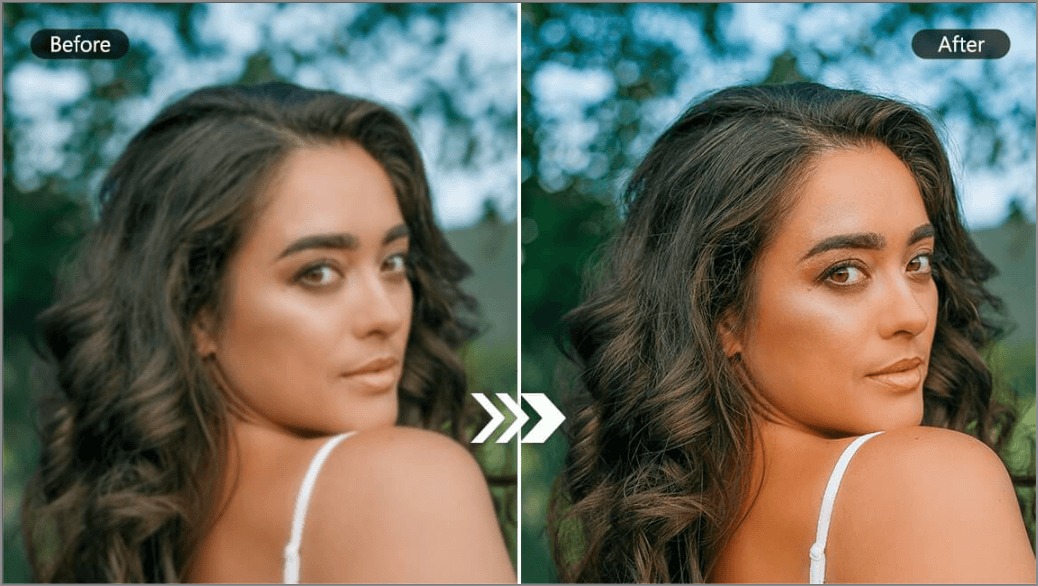
Imagine an old photograph from your grandparents’ wedding day. The edges are frayed, colors faded, and the faces blurred. Before you start thinking you’re in a lost cause, AI jumps in and turns that yellowy, worn-out pic into something that looks like it was taken yesterday. Pretty neat, right?
Gone are the days when fixing an image required painstaking effort with Photoshop, a keen eye, and a ton of patience. With modern AI algorithms, what once took hours can now be done in mere minutes. How? AI analyzes the image, studies the patterns, and—poof—it reconstructs the photo, bringing out hidden details and clarifying blurred sections.
Take, for instance, a quaint snapshot of a children’s birthday party from the ’80s. The hues might have bled together, and the scanned image could be murky. Before, you might have hired a professional, but thanks to AI, anyone can be a restoration wizard. Need to sharpen aunt Jenny’s smile or remove the peculiar blur from the birthday cake? No problem. AI handles it effortlessly, making it look like a piece of cake.
Alright, let’s talk about another cool trick up AI’s sleeve: colorization. We’ve all seen those black and white photographs that look like they belong in a history book. AI can take those grayscale memories and splash them with colors that are true to life. How does it do that? It predicts what colors each shade of grey should be based on millions of images it has studied before. It’s like giving a classic noir film a makeover. Before you know it, Grandma’s red dress and the green lawn pop in the most amazing way.
Have an old newspaper clipping from grandpa’s war days? The text might be hard to make out, and the images could be lost to the sands of time. AI can come to the rescue. Using Optical Character Recognition (OCR) and other intelligent techniques, it turns those fragile documents into crisp, clear digital formats. Whether you’re a history buff or just someone trying to preserve family heritage, AI’s got your back.
And it gets better. AI even helps in forensic investigations. Remember those fuzzy CCTV footage clips in crime shows? They’re not hopeless anymore. AI digs into those pixels and reconstructs clearer visuals, making faces and details more recognizable to the human eye. It’s like having a digital Sherlock Holmes!
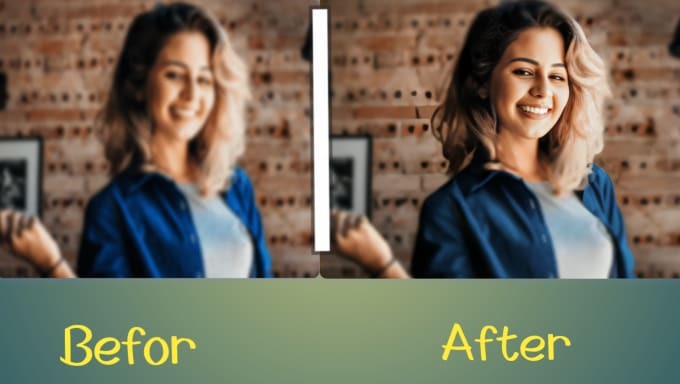
Let’s dive into the annals of art restoration. Picture a Rembrandt painting that’s suffered the ravages of time—cracks, dust, and fading paint. While conventional methods might involve expert conservators carefully cleaning and retouching, AI lends a helping hand here too. By learning from thousands of paintings, it predicts how the original might have looked, offering invaluable insights into restoration techniques.
Unblurring Images Like Never Before
Blurriness makes photos look as though they’re underwater or taken by someone in a rush. Whether it’s the last snap from your most-awaited vacation or an old cherished memory, blurred images can be quite the headache. Enter **image unblur ai**, the knight in shining armor for all blurry nightmares. But how does it stack against traditional methods?
Alright, picture this: you’re diving into your collection of photos. Amongst those treasures, an utterly splendid shot is tarnished by the blur devil. Traditional tools have long been the go-to for this rescue mission. Think Photoshop, GIMP, or even some smartphone apps. They’ve got the basic tools and with some tweaking, they deliver decent results. But – here’s the kicker – they often require time, effort, and a bit of know-how, not to mention a surprising amount of patience.
Here’s where artificial intelligence gets to flex its muscles. AI-based image unblurring has brought a breath of fresh air to this whole endeavor. We’re talking algorithms that can analyze and reconstruct images faster than a caffeinated photographer can snap a photo. These smart systems recognize patterns and make educated guesses on the best way to restore that once-blurred masterpiece.
Think of AI as the speedster of image restorations. It operates quickly and efficiently, cutting down the need for headaches. Traditional methods? They’re more like that old reliable car – steady, but not breaking any speed records. And yes, while they might get the job done, it often involves a whole lot of manual tinkering, which can drain the joy out of the process.
Ever tried unblurring an image using traditional software? Lasso this, sharpen that, adjust here, refine there – it’s like a maze without an exit. The real spanner in the works? It can’t always tell the difference between what needs fixing and what doesn’t. Thus, you might end up with a sharper image but lose some of the natural vibe.
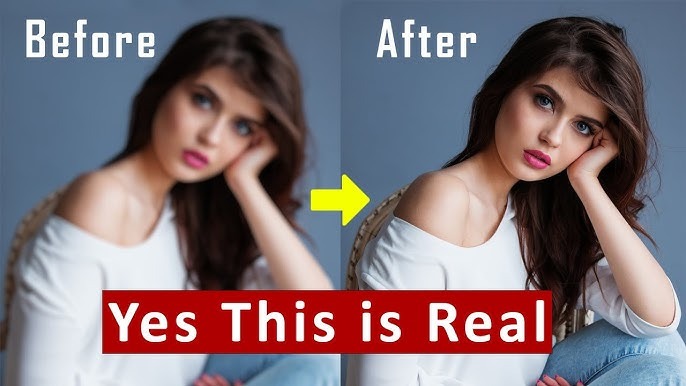
Now, the AI route? It’s like having a savvy magician by your side. With AI tools, you simply feed the blurry monstrosity in, and presto! The result is often astonishingly clear and ready to flaunt on your social media. How does it manage this sorcery? By learning from truckloads of data, of course. It knows how to separate the subject from the noise, sharpening up the necessary parts while keeping it all natural.
But hey, let’s not discount the human touch traditional methods offer. There’s a fulfilling, almost therapeutic sense of control when you’re the one steering the ship. That layer of personalization can sometimes hit the sweet spot for those who love to sweat the small stuff.
Consider Margaret, a photography enthusiast from Brooklyn. She reminisces about the time she spent hours using traditional methods to unblur an old family photo. Painstaking, yes. Satisfying? Absolutely. But, when shown AI-based tools, she marveled at how a mere press of a button could achieve similar, if not better, results in a fraction of the time. It transformed her workflow, giving her more time to focus on her passion for capturing moments rather than endless editing.
